
 Jerusalem Perspective" data-parallax="10" data-panzoom="d:30000;ss:120;se:100;" class="rev-slidebg" data-no-retina>

 Jerusalem Perspective" data-parallax="10" data-panzoom="d:30000;ss:120;se:100;" class="rev-slidebg" data-no-retina>




Come study at the feet of Jesus with Jerusalem Perspective (JP). Together we’ll explore the historical, cultural, religious and linguistic contexts of the life and teachings of Jesus to better understand Jesus’ message and his place in first-century Jewish society.
JP’s Most Recent Articles:
- “They Know Not What They Do”: The History of a Dominical Saying
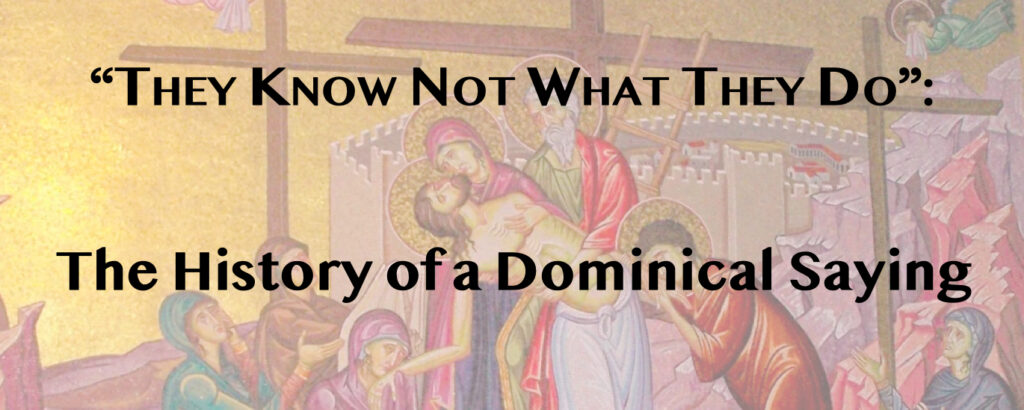 How Luke 23:34 became embroiled in the Church’s conflicted relationship with its Jewish Roots.
 - Why Do You Call Me ‘Lord’?: On the Origins of Jesus’ Dominical Title
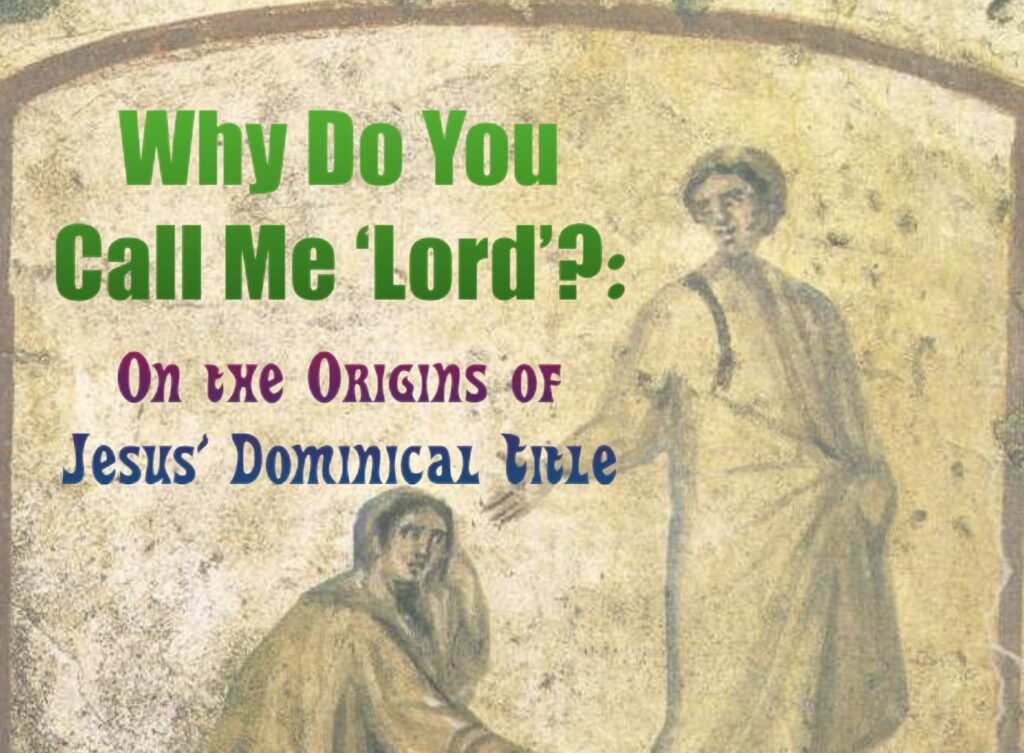 The confession “Jesus is Lord” is the simplest and earliest Christian creed. But how did referring to Jesus as “Lord” begin?
 - Evidence of Pro-Roman Leanings in the Gospel of Matthew
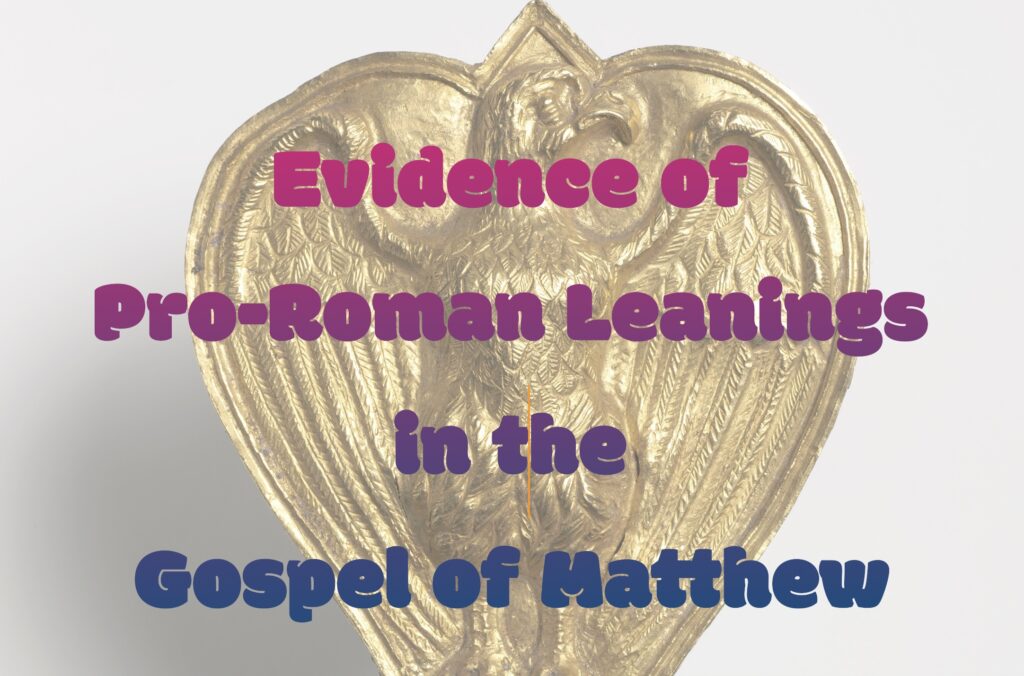 Hindsight and political expedience shaped the author of Matthew’s view of the Roman Empire.
 - Sanctus and Gloria
 Professor David Flusser investigates the Jewish background of the angel’s song to the shepherds, “Glory to God in the highest….”
To view more JP posts, click here.
JP’s Most Recent Blog Posts:
- Исус носеше ли кипа?
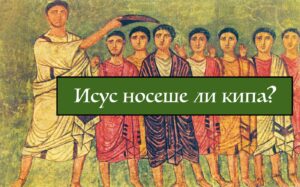 Въпреки че свещениците са носели подобна на тюрбан шапка, другите евреи от периода на Втория храм не са покривали главата си.
 - A Passion Play in an Unusual Vein
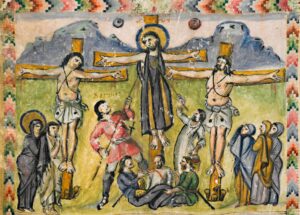 The story of Jesus’ passion told through readings by Johnny Cash and songs by Bob Dylan.
 - Поклонението по времето на Исус
 Според Лука Йосиф и Мария ходели на поклонение в Ерусалим на всяка Пасха. Изискването за поклонение в Храма в Ерусалим се споменава в пасажите от Писанието, които се отнасят до трите ежегодни празника: Празника на безквасните хлябове, Празника на седмиците и Празника на шатроразпъването.
 - New Way to Support JP
 Visit JP’s new TeePublic store.

In addition to exploring Jesus’ ancient contexts, JP promotes a new approach to the Synoptic Gospels. This approach, pioneered by Jewish and Christian scholars in Jerusalem, uses Hebrew as a tool for recovering the earliest forms of Jesus’ sayings.

Explore the wide variety of topics related to Jesus and the Gospels in their Second Temple Jewish contexts.

Find articles by JP authors you enjoy.

Go deep with a topic by reading an entire series of JP articles.

Purchase a selection of electronic resources by JP authors whose scholarship you respect.

Learn while listening to Audio JP.
Study with JP scholars.


The Life of Yeshua (LOY) project utilizes Robert Lindsey’s solution to the Synoptic Problem to reconstruct the conjectured Greek and Hebrew sources behind the Gospels of Matthew, Mark and Luke in order to better understand the stories of Jesus’ life and the meaning of his teachings.
Most Recent Life of Yeshua Posts:
- Narrow Gate
 To obtain the Tree of Life one must pass through the Narrow Gate.
 - Houses on Rock and Sand Parable
 The choice is between doing what Jesus says or letting everything fall into ruin.
 - “Banquet in the Kingdom of Heaven” complex
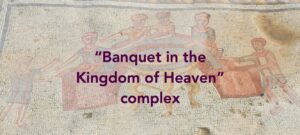 How commitment to social justice in this world determines one’s place at the messianic banquet in the world to come.
 - Sermon’s End
 The narrative conclusion to Jesus’ homily on the Torah and the Kingdom of Heaven.

Originally a print magazine and now an online publication, JP keeps readers informed about the world of Jesus and the Gospels. For complete access to JP’s valuable and engaging content register for a Premium Membership subscription by clicking here.